sábado, 13 de abril de 2013

Lamiak


Portugues
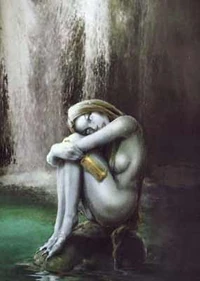
No folclore basco, as lamiak (singular, lamia) são descritas como belas mulheres de pés de pato, garras de ave ou rabo de peixe. Moram nos ríos e fontes, onde costumam pentear suas longas cabeleiras com cobiçados pentes de ouro. Às vezes, têm filhos com eles. Algumas lendas dizem que são a deusa Mari.
O nome parece estar relacionado ao das vampirescas lâmias gregas, mas as lamiak bascas são entidades relativamente benignas, mais semelhantes às ninfas gregas ou às janas do folclore mediterrâneo. Normalmente amáveis, diz-se que ajudaram os homens a construir dólmens e pontes, mas enfurecem-se se lhes são roubados os pentes. Diz uma lenda que uma mulher roubou o pente de uma lâmia e esta começou a amaldiçoá-la, mas não o conseguiu porque o soar dos sinos da igreja salvou a mulher.
Outra lenda fala de um pastor que ouviu um canto maravilhoso e, ao segui-lo, encontrou um bela jovem sentada sobre uma rocha, que passava um pente de ouro sobre seus cabelos loiros, que lhe chegavam aos pés. Ao ver o rapaz, mergulhou n'água, mas depois reapareceu.
O pastor apaixonou-se pela jovem e a visitou dias seguidos, até que ela o pediu em casamento. O rapaz aceitou e ela lhe deu um anel. Ao chegar em casa, porém, não sabia dizer como se chamava a noiva ou quem eram seus pais, apenas que era formosa, formosa...
A mãe suspeitou de que o filho estava enfeitiçado e pediu conselhos a parentes e vizinhos, que lhe disseram que se fosse estrangeira tal coisa, se fosse bruxa outra... E o mais velho da aldeia disse que, se fosse uma lâmia teria pés de pato.
A mãe fez o filho prometer que prestaria atenção nos pés da moça. Ele imediatamente foi vê-la e a encontrou n'água, mergulhando e brincando com os peixes, mas desta vez reparou nos pés, e eram pés de pato.
Voltou para casa de coração partido, pois humanos não se casavam com lâmias. Adoeceu e delirou com a febre, vendo o rosto da amada e ouvindo sua voz chamando-o :”Zatoz,maitea,zatoz” (”Vem, querido, vem”).
O rapaz acabou morrendo. No dia de seu enterro, a lâmia apareceu em sua casa, cobriu-lhe o corpo com um lençol de ouro e beijou-lhe os lábios. Seguiu o cortejo até a porta da igreja, onde não podia entrar por ser solo consagrado. Retornou então às montanhas e tanto chorou por seu amor perdido que brotou ali um manancial que recorda o amor impossível entre a lâmia e o pastor.
English
In Basque folklore, the lamiak (singular, lamia) are described as beautiful women of fins, claws of bird or fish tail. They live in rivers and fountains where often combing their long wigs with coveted golden combs. Sometimes they have children with them. Some legends say they are the goddess Mari.
The name seems to be related to the vampire lamias Greek, but lamiak Basque entities are relatively benign, more like the Greek nymphs or to janas Mediterranean folklore. Normally friendly, it is said that the men helped to build bridges and dolmens, but rage if they are stolen combs. A legend says that a woman stole the comb of a lamia and this began to curse her, but failed because the sound of church bells saved the woman.

Another legend tells of a shepherd who heard a song and wonderful, to follow him, he met a beautiful young woman sitting on a rock, passing a comb of gold on his blond hair, which arrived at the feet. Seeing the boy, plunged into the water, but then reappeared.

The pastor fell in love with young and visited consecutive days, until she proposed. The boy accepted and she gave him a ring. Upon arriving home, but could not tell what it was called the bride or who his parents were, it was just beautiful, beautiful ...

The mother suspected that her son was bewitched and asked for advice from relatives and neighbors, who told him that if it was such a foreign thing, it was another witch ... And the elder of the village said that if it were a lamia have fins.

Her mother made her son promise that we would watch the girl's feet. He immediately went to see her and found her in the water, diving and playing with the fish, but this time noticed the feet, and were fins.

He returned home heartbroken because humans did not marry with lamias. Ill and delirious with fever, seeing the face of the beloved and hearing his voice calling him: "Zatoz, Maitea, zatoz" ("Come, dear, come").

The boy died. On the day of his funeral, the lamia appeared in his house, covered his body with a sheet of gold and kissed her lips. Followed the procession to the church door, where he could not get by being consecrated ground. He then returned to the mountains and both wept for his lost love that blossomed there a spring that recalls the impossible love between a shepherd and lamia.


Fairy Ring---Circulo de fadas


English


Fairy Ring

It was believed that sometimes the fairies gathered and danced in a circle, partying. At dawn, the place where they danced appeared as a circle of bright-green grass, or a circle of mushrooms. Who walked into a fairy circle on a full moon and make a request, the request would be held. But if a man stepped into a circle on a day when they were partying, he was taken prisoner, forced to dance to exhaustion. The only way out would be if someone mantesse foot firmly outside the circle and pull the person out. According to some reports, the fairy ring would be a portal to their world. But in this case, the person should leave a piece of iron at the entrance, the metal had that aversion, as if into the world of fairies and they shut the gate, the person would lose track of time and may spend a night in their world, would amount to years in the mortal world.


Portugues--

Anel de Fadas

Acreditava-se que às vezes, as fadas se reuniam e dançavam em círculo, festejando. Ao amanheçer, o local em que dançaram aparecia como um círculo de grama verde-luminosa ou um círculo de cogumelos. Quem entrasse em um círculo de fadas em uma lua cheia e fizesse um pedido, o pedido iria se realizar. Mas caso um humano pisasse em um círculo em um dia em que elas estivessem festejando, ele seria feito prisioneiro, obrigado a dançar até a exaustão. O único modo de escapar seria se alguém mantesse o pé bem firme fora do círculo e puxasse a pessoa para fora. Segundo alguns relatos, o anel de fadas seria um portal para o mundo delas. Mas neste caso, a pessoa deveria deixar um pedaço de ferro na entrada, metal a que tinham aversão, pois caso entrasse no mundo das fadas e elas fechassem o portal, a pessoa perderia a noção do tempo, podendo passar uma noite no mundo delas, que equivaleria a anos no mundo mortal.

sexta-feira, 12 de abril de 2013

Elementais da terra-Earth elementals

Os gnomos são espíritos de pequena estatura amplamente conhecidos e descritos entre os seres elementais da terra.É comum serem representados como seres mágicos não só protectores da natureza e dos seus segredos como dos jardins, aparecendo como ornamento. Usam barretes vermelhos e barbas brancas, trajando por vezes túnicas azuis ou de cores suaves. Na mitologia nórdica, os gnomos confundem-se com a tradição dos anões, pelo que não é invulgar associa-los a seres que habitam as cavernas ou grutas escuras e não suportam a luz do sol. No conceito geral, têm a capacidade de penetrar em todos os poros de terra e até de se introduzirem nas raízes das montanhas, explorando os mais ricos minérios ocultos e trabalhando-os com intenso e delicado labor. Como são difíceis de ver, simbolizam o ser invisível que através do inconsciente ou da imaginação e visão onírica tornam visíveis os objectos e materiais desejados pela cobiça humana. São os guardiões de tesouros íntimos da humanidade. Por vezes um gnomo capturado pode conceder desejos a um humano que o capture, mas a maioria das vezes o desejo realizado pode acabar por se tornar uma maldição. Tal atitude deve-se ao facto que um gnomo castiga com ardis o ser que odeia e, por isso, na imaginação popular da cultura europeia mediterrânea o gnomo é feio, disforme e malicioso.


Gnomes are spirits of small stature widely known and described among the elemental beings of common well.And be represented as magical beings not only protectors of nature and its secrets as the gardens, appearing as ornaments. They wear red caps and white beard, dressed in blue tunics or sometimes soft colors. In Norse mythology, the gnomes are confused with the tradition of the dwarves, so it is not unusual associates them the beings that inhabit the caves or caverns dark and do not support the sunlight. In general concept, have the ability to penetrate every pore of land and even to introduce the roots of the mountains, exploring the richest ores hidden and working them with intense and delicate work. How are hard to see, symbolize the invisible being that through the unconscious or the imagination and dream vision become visible objects and materials desired by human greed. They are the guardians of humanity's intimate treasures. Sometimes a gnome captured can grant wishes to a human that capture, but most times the fulfilled wish can eventually become a curse. This attitude is due to the fact that punishes with a gnome who hates being wiles and therefore, in the popular imagination of European culture Mediterranean Gnome is ugly, misshapen and malicious.


Elementais da agua- Water elementals

Ondina ou ondim é um espírito da natureza que vive em rios, lagos e mares. São elementais da água.
As Ondinas vivem nos riachos, nas fontes, no orvalho das folhas sobre as águas e nos musgos. As Ondinas e Nereidas são reconhecidos por terem o poder de retirar das águas a energia suficiente para sua luminosidade, o que permite ao homem, por muitas vezes, percebê-los em forma de um leve "facho de luz".


Ondina or ondim is a nature spirit that lives in rivers, lakes and seas. Are water elementals.
The Ondinas live in streams, sources, dew on the leaves on the water and mosses. The Ondinas and Nereids are recognized for having the power to remove the water enough energy to its luminosity, which allows the man, often see them in the form of a light "beam of light".

Elementais do fogo -Fire elementals


As Salamandras, ou Espíritos do fogo, vivem no éter atenuado e espiritual que é O invisível elemento do fogo. Sem elas, o fogo material não pode existir.
Elas reinam no fogo com o poder de transformar e desencadear tanto emoções positivas quanto negativas. As Salamandras, segundo os especialistas, parecem bolas de fogo e que podem atingir até seis metros de altura. Suas expressões, quando percebidas, são rígidas e severas. Dentro de todas as formas energéticas (o fogo, a água e o mineral), estes seres adquirem formas capazes de desenvolver pensamentos e emoções. Esta capacidade derivou do contato direto com o homem e da presença deles em seu cotidiano. Por tal motivo, as Salamandras desenvolveram forças positivas, capazes de bloquear vibrações negativas ou não produtivas, permitindo um clima de bem estar ao homem.
O homem é incapaz de se comunicar adequadamente com as Salamandras, pois elas reduzem a cinzas tudo aquilo de que se aproximem. Muitos místicos antigos, preparavam incensos especiais de ervas e perfumes, para que quando queimados, pudessem provocar um vapor especial e assim formar em seus rolos a figura de uma Salamandra, podendo assim sentirem sua presença.
Em algumas lendas, a salamandra tem seis patas e vive nos desertos.


The salamanders, or spirits of fire, live attenuated and the spiritual ether which is the invisible element of fire. Without them, the material fire can not exist.

They reign on fire with the power to transform and trigger both positive and negative emotions. The Salamanders, experts seem fireballs and can reach up to six meters high. Their expressions, when realized, are rigid and severe. Within all forms of energy (fire, water and mineral), these beings acquire forms capable of developing emotions and thoughts. This capability derived from direct contact with humans and of their presence in their daily lives. For this reason, the Salamanders have developed positive forces, able to block negative vibes or not productive, allowing an atmosphere of well-being to man.

The man is unable to communicate properly with the Salamanders, because they reduce to ashes everything that approach. Many ancient mystics, preparing incense and special herbal perfumes, so that when burned, could cause a steam special and thus form their rolls in the figure of a Salamander, so you can feel his presence.

In some legends, the salamander has six legs and lives in deserts.


quinta-feira, 11 de abril de 2013

Elementais do Ar-Air elementals


Elementais do ar: divididos em sílfides ou fadas das nuvens e fadas das tempestades. As primeiras vivem nas nuvens, são dotadas de elevada inteligência e sua principal atividade é transferir luz para as plantas; interessam-se muito também por animais e por pessoas, para as quais podem agir como protetoras e guias. As fadas das tempestades possuem grande energia e circulam sobre as florestas e ao redor dos picos das montanhas; costumam ser vistas em grupos pelas alturas e só descem à superfície quando o vento está forte.

Air elementals: divided into sylphs or fairies and fairy clouds of storms. The first live in the clouds, are endowed with high intelligence and its main activity is to transfer light to the plants; become very interested also by animals and people, for which they can act as protectors and guides. The tale of storms have great energy and circulate on forests and around the mountain peaks; often seen in groups by heights and descend to the surface only when the wind is strong.